Computational Chemistry
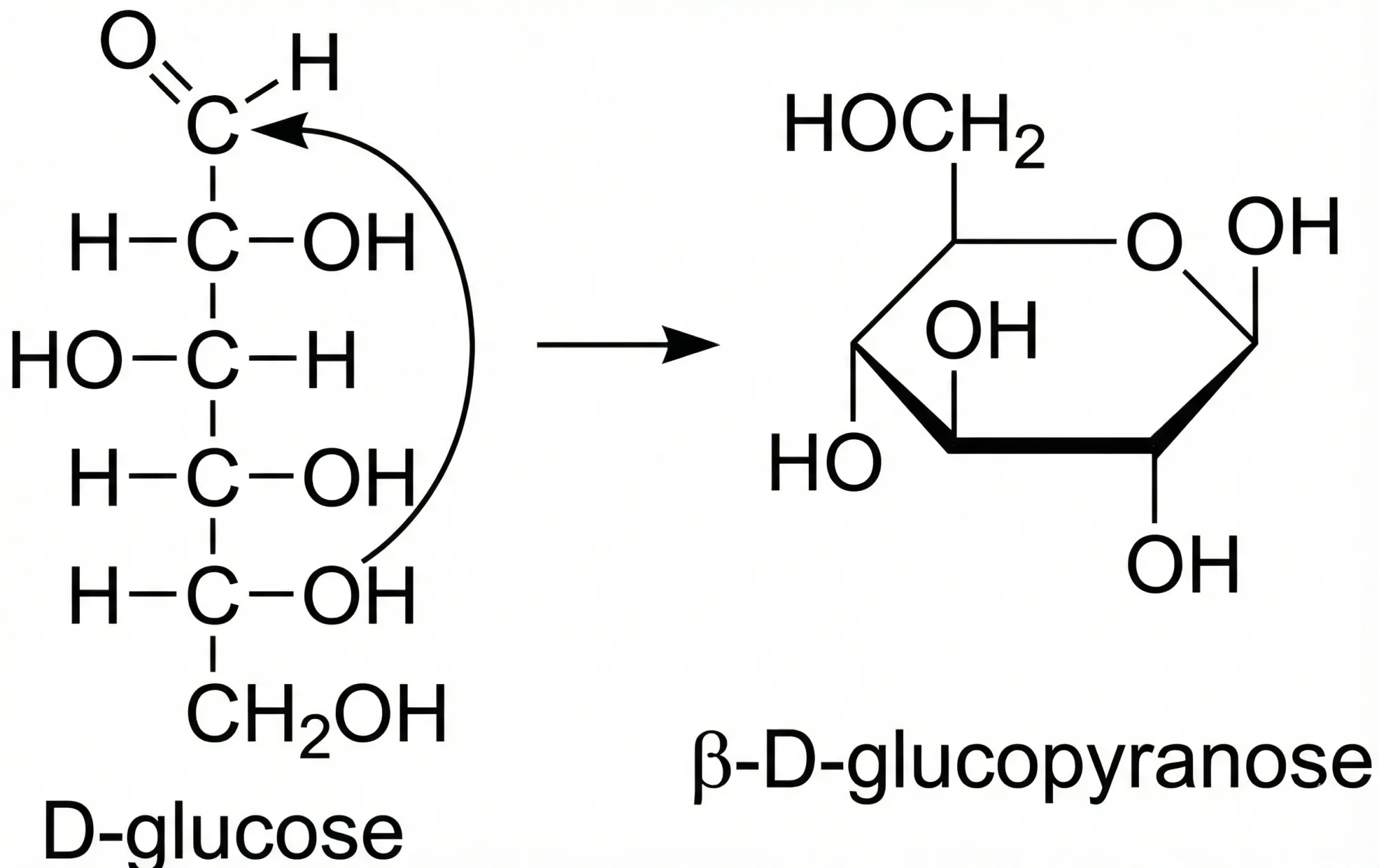
D-glucose open-chain aldehyde form converting to beta-D-glucopyranose ring form, illustrating ring-chain tautomerism

InChI and Tautomerism: Toward Comprehensive Treatment

Dhaked et al.'s comprehensive analysis of tautomerism in chemoinformatics, introducing 86 new tautomeric rules and their …

Computational Chemistry
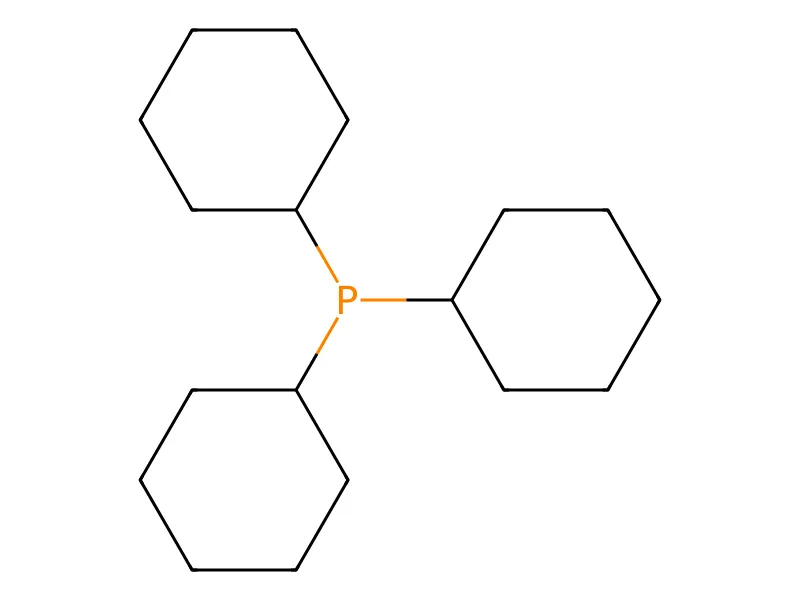
2D molecular structure diagram of tricyclohexylphosphine showing a central phosphorus atom bonded to three cyclohexyl groups

InChI: The Worldwide Chemical Structure Identifier Standard

Heller et al. (2013) explain how IUPAC's InChI became the global standard for representing chemical structures, its …

Computational Chemistry
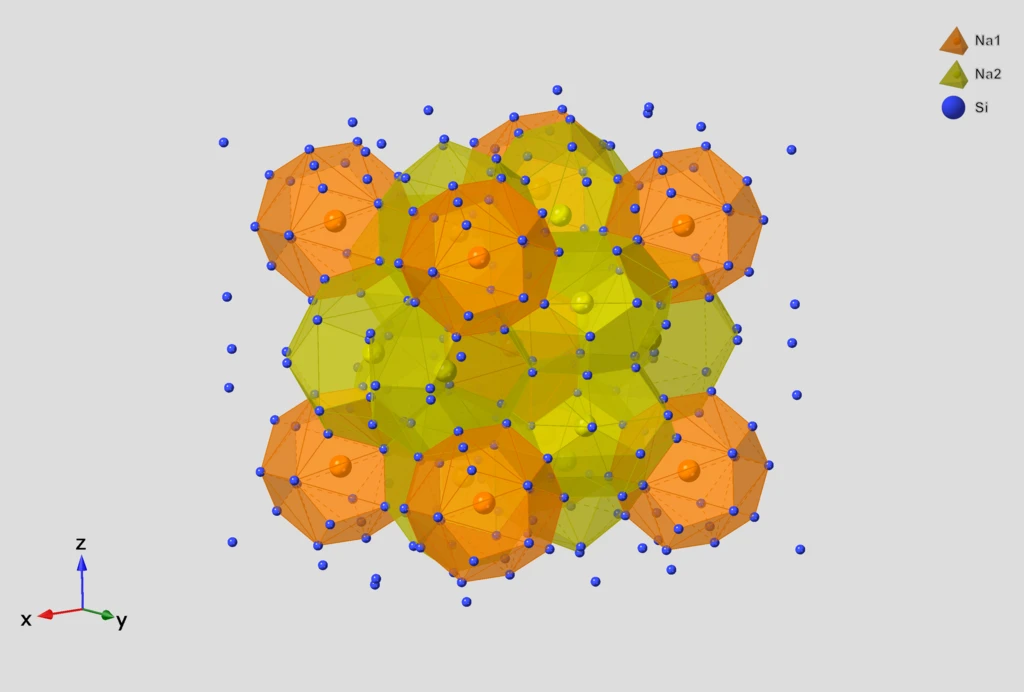
Crystal structure of Na8Si46 clathrate displaying dodecahedral and tetrakaidecahedral coordination polyhedra

Making InChI FAIR and Sustainable for Inorganic Chemistry

InChI v1.07 modernizes chemical identifiers for FAIR principles and adds robust support for inorganic compounds.

Computational Chemistry
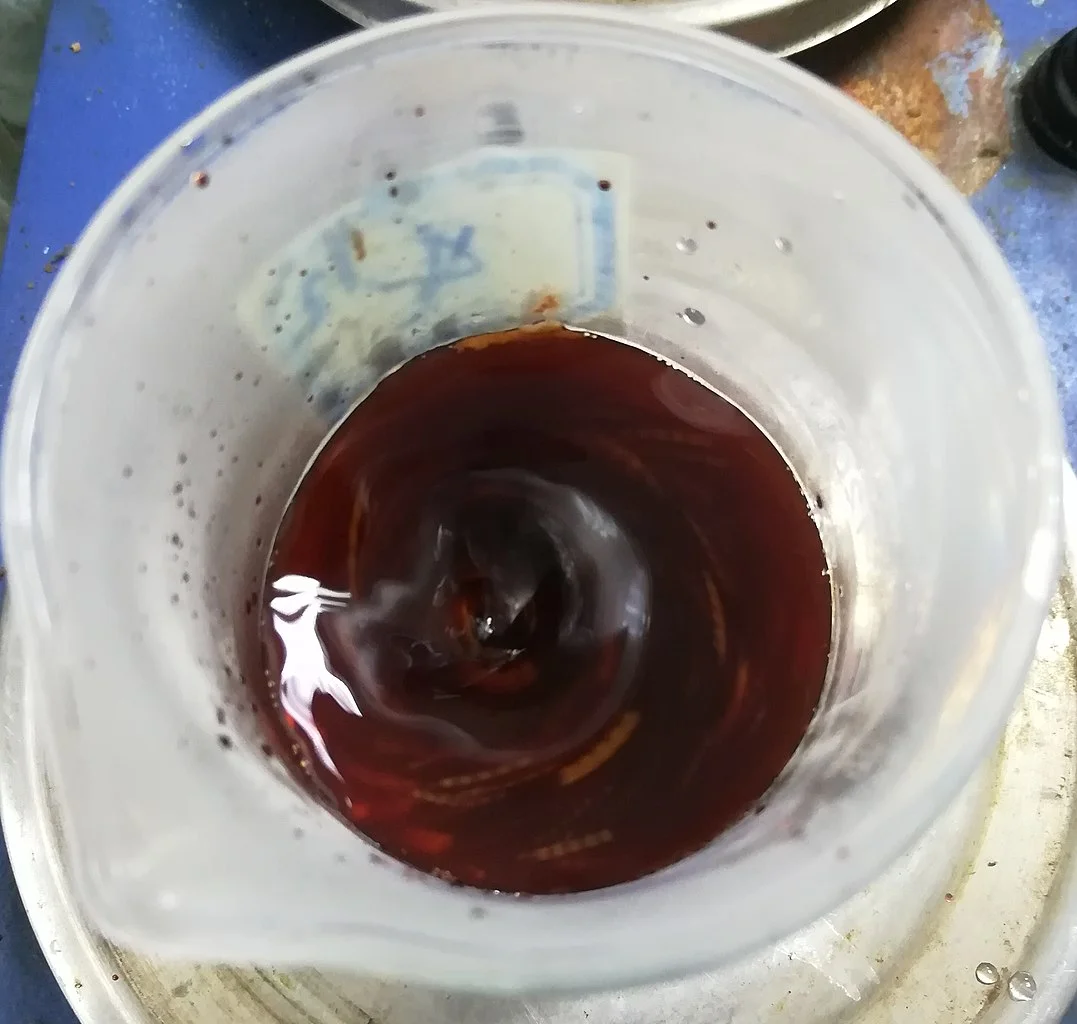
A cobalt sulfate and ethylenediamine mixture being prepared

Mixfile & MInChI: Machine-Readable Mixture Formats

Mixfile and MInChI provide the first standardized, machine-readable formats for representing chemical mixtures.

Computational Chemistry
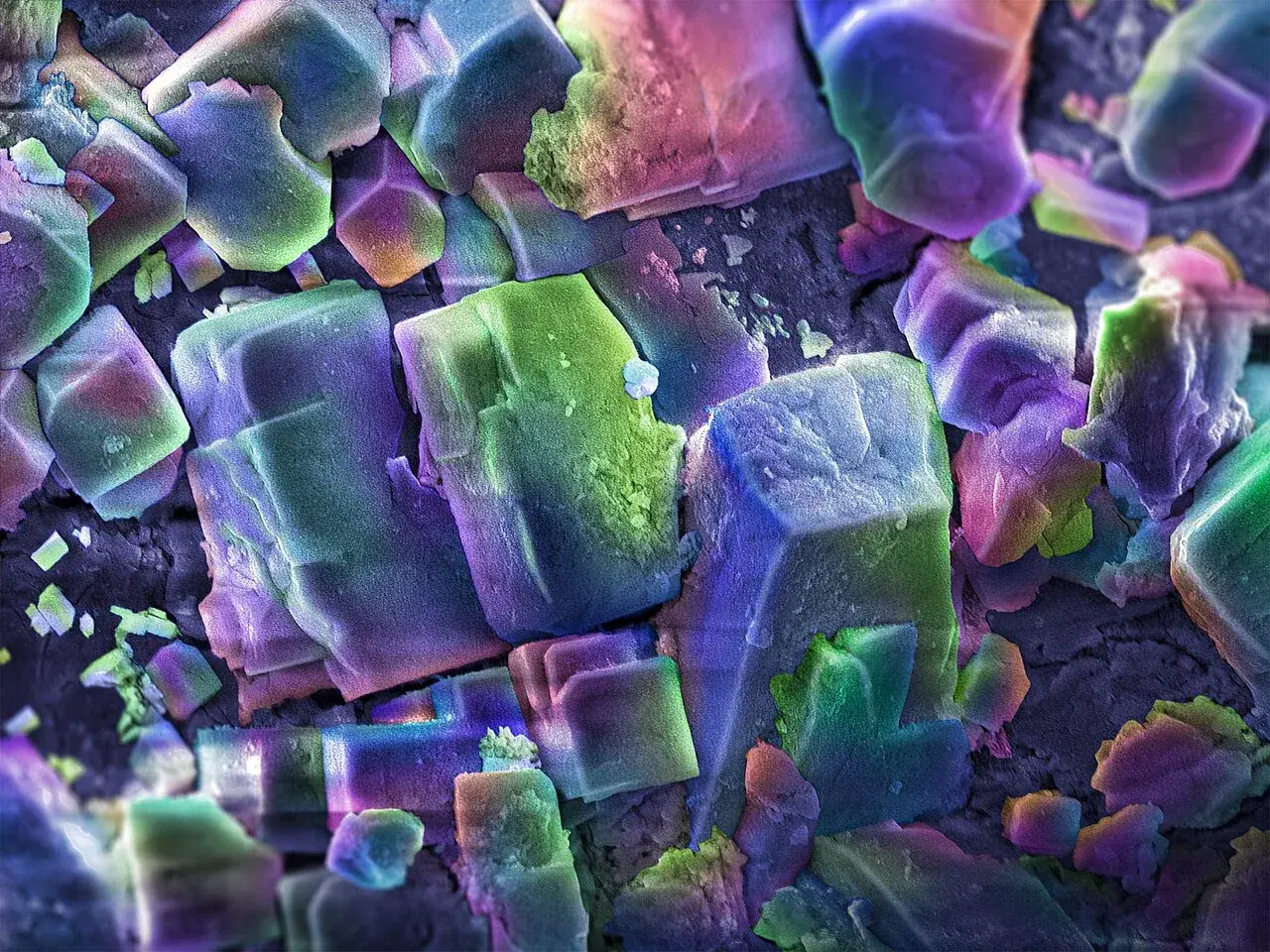
Colorized electron microscope image of nanostructured indium phosphide surface showing spatially oriented cubic crystallites

NInChI: Toward a Chemical Identifier for Nanomaterials

NInChI (Nanomaterials InChI) extends chemical identifiers to represent complex, multi-component nanomaterials.

Computational Chemistry
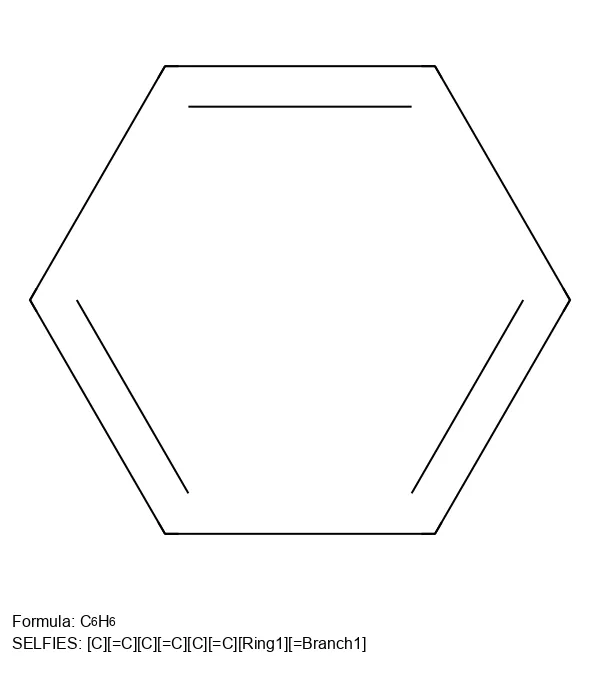
Benzene in SELFIES notation

Recent Advances in the SELFIES Library (2023)

Major updates to the SELFIES library, improved performance, expanded chemistry support, and new customization features.

Computational Chemistry
Chemical diagram showing a generalized Grignard reaction

RInChI: Reaction International Chemical Identifier

RInChI extends InChI to create unique, machine-readable identifiers for chemical reactions and database searching.

Computational Chemistry
SELFIES molecular representation overview

SELFIES: The Original Paper (Krenn et al. 2020)

The 2020 paper introducing SELFIES, the 100% robust molecular representation that solves SMILES validity problems in ML …

Computational Chemistry
Benzene molecular structure diagram

SMILES: The Original Paper (Weininger 1988)

Weininger's 1988 paper introducing SMILES notation, the string-based molecular representation that revolutionized …

Computational Chemistry
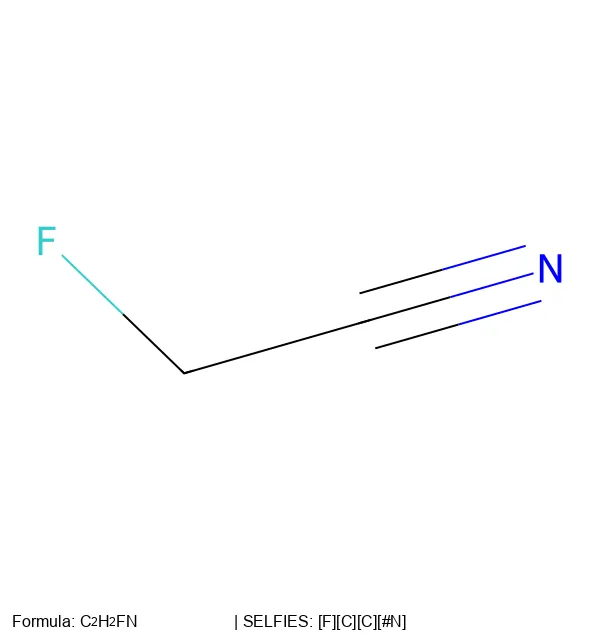
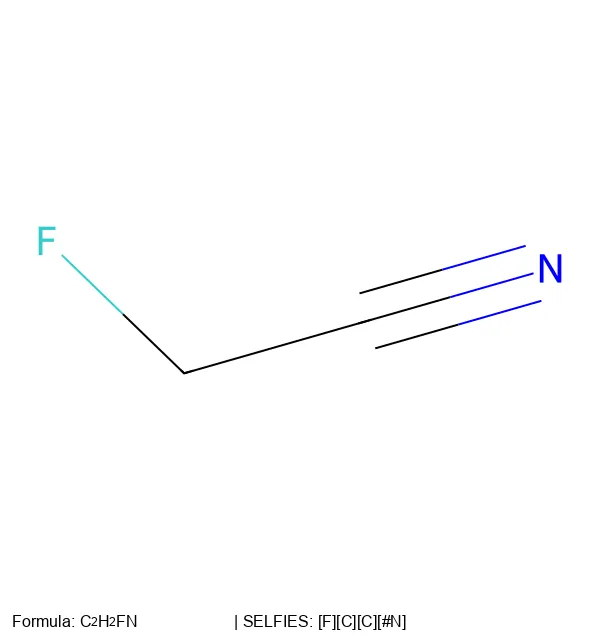
SELFIES representation of 2-Fluoroethenimine molecule

SELFIES (Self-Referencing Embedded Strings)

SELFIES is a 100% robust molecular string representation for ML, implemented in the open-source selfies Python library.

Computational Chemistry
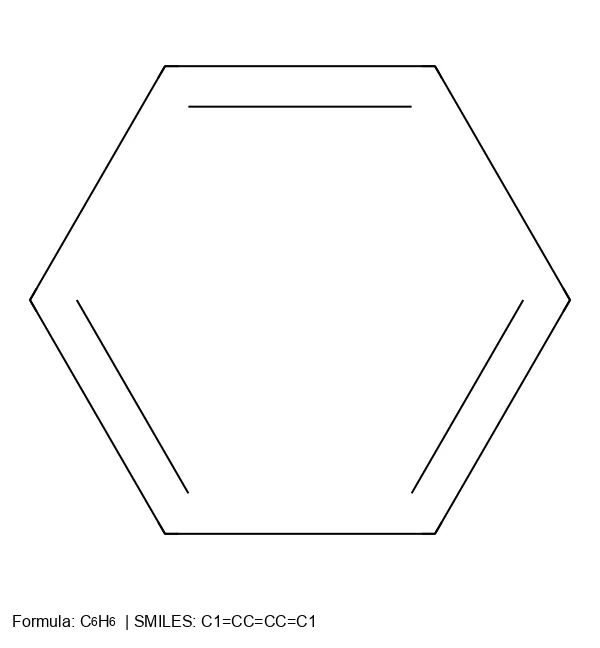
Benzene molecule with SMILES notation

SMILES: Compact Notation for Chemical Structures

SMILES (Simplified Molecular Input Line Entry System) represents chemical structures using compact ASCII strings.

Computational Chemistry
SELFIES robustness demonstration

Invalid SMILES Benefit Chemical Language Models: A Study

Skinnider (2024) shows that generating invalid SMILES actually improves chemical language model performance through …